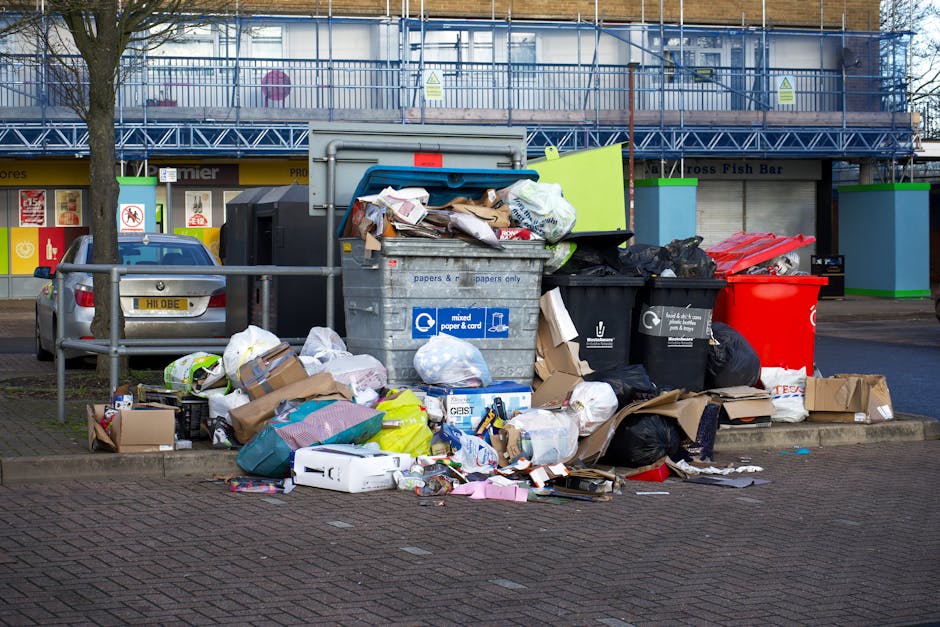
Emergency rubbish removal in Plaistow after tenancy notice
If you have just received a tenancy notice, the clock suddenly feels louder. The flat is half-packed, the hallway is cluttered, and that old sofa, broken wardrobe, and bag of mixed junk in the kitchen are no longer "later problems" - they are today's problem. Emergency rubbish removal in Plaistow after tenancy notice is designed for exactly that moment: quick, practical clearance that helps you hand the property back in a decent state, without turning the last days of a tenancy into a panic.
This guide explains what the service involves, why it matters, how it works in real life, and what to watch out for if you are under pressure. You will also find a step-by-step plan, a useful checklist, and answers to the questions people usually ask when time is tight and the room is full of stuff. Truth be told, that is most people's main concern: how do I get this sorted without making a mess of the move?
Table of Contents
- Why Emergency rubbish removal in Plaistow after tenancy notice Matters
- How Emergency rubbish removal in Plaistow after tenancy notice Works
- Key Benefits and Practical Advantages
- Who This Is For and When It Makes Sense
- Step-by-Step Guidance
- Expert Tips for Better Results
- Common Mistakes to Avoid
- Tools, Resources and Recommendations
- Law, Compliance, Standards, or Best Practice
- Options, Methods, or Comparison Table
- Case Study or Real-World Example
- Practical Checklist
- Conclusion
- Frequently Asked Questions
Why Emergency rubbish removal in Plaistow after tenancy notice Matters
A tenancy notice changes the situation fast. Even if you were already planning a tidy-up, the deadline turns loose clutter into a genuine issue. A landlord, letting agent, or inventory clerk is likely to expect the property to be left clear, safe, and ready for inspection. That includes rubbish in cupboards, loft items, broken furniture, bags in the garden, and the awkward bits nobody wants to carry down the stairs at 8pm.
In Plaistow, like much of London, the practical challenge is often space and access rather than the items themselves. Narrow stairwells, basement flats, shared hallways, parking restrictions, and busy streets can make a simple clearance feel bigger than it is. A fast removal service reduces that friction. You do not have to wait for a friend with a van who may or may not turn up. You do not need to do five trips yourself with bin bags cutting into your hands.
There is also the money side. If rubbish is left behind, a landlord may arrange their own clearance and deduct the cost from the deposit, subject to the tenancy agreement and usual deposit process. That is not always avoidable, of course, but a quick clearance gives you a better chance of controlling both the timing and the cost. And let's face it, nobody wants to pay premium rates because a deadline snuck up on them.
When the move-out deadline is close, speed matters, but so does judgment. A good clearance is not just about taking everything away. It is about sorting what stays, what goes, and what should be handled carefully - especially larger furniture, electrical items, or anything that could create safety issues during removal.
How Emergency rubbish removal in Plaistow after tenancy notice Works
Most emergency clearance jobs follow a simple pattern, even if the circumstances feel chaotic. First, you make contact and explain the situation clearly: tenancy notice, deadline, access details, and what needs clearing. The more direct you are, the easier it is to give you a realistic plan. "Two bags" and "half a flat" are very different jobs.
Next comes a quick assessment. This may happen from photos, a call, or a short visit depending on the provider and the job size. For time-sensitive clearances, the key question is not just volume, but accessibility. Can the vehicle park nearby? Is there a lift? Are there bulky items in the top floor flat? Do you need the whole place cleared or just the left-behind waste?
Then the clearance team removes the rubbish, load by load. Depending on the job, that can include bagged waste, broken furniture, mattresses, old appliances, cardboard, general household clutter, and leftover items from a tenancy turnover. If you still have items worth keeping, it helps to separate them beforehand. Otherwise, things can get mixed up very easily. People are often surprised how quickly that happens.
Finally, the team should leave the area swept or at least reasonably tidy. You are not usually paying for a deep clean, but a sensible removal job should not leave loose debris behind. If you also need clear-out support for furnishings, it can be helpful to look at related services such as flat clearance, furniture disposal, or broader waste removal where the job extends beyond simple bin bags.
In practice, the smoother jobs are the ones where the client has spent ten minutes preparing access and deciding what is definitely going. That small bit of preparation saves real time on the day.
Key Benefits and Practical Advantages
The obvious benefit is speed. When the notice period is short, fast rubbish removal can stop the move-out from snowballing into a last-minute scramble. But there are a few other advantages people underestimate.
- Less stress: you avoid having to do every lift, bag, and stair run yourself.
- Better deposit protection: a clear property is easier to hand back in acceptable condition.
- Safer moving day: blocked hallways and loose debris can create trip hazards.
- Faster turnaround: helpful if you are leaving a furnished flat or a shared tenancy.
- More efficient sorting: you can separate keep, donate, and dispose decisions properly.
- Reduced logistics burden: no need to organise a hire van or multiple disposal runs.
There is also the emotional relief. That sounds soft, maybe, but it matters. When a tenancy ends under pressure, the clutter in the room can feel strangely heavy. Once the rubbish is gone, the place feels different. Quieter. More manageable. You can finally see what is left to do.
For larger contents, a provider who also handles furniture and household items can be useful. In some cases, a house clearance style approach is more suitable than a tiny ad hoc collection, especially if the tenancy involves multiple rooms, a loft, or a mix of general waste and bulky furniture.
Who This Is For and When It Makes Sense
This service is not just for people who have left things too late, although that is a common scenario. It is for anyone facing a practical deadline and a property that still contains too much to manage alone.
You may need emergency rubbish removal if you are:
- moving out after a notice to quit or notice seeking possession
- trying to clear a tenancy before the final inspection
- dealing with abandoned clutter in a rented flat
- helping a family member leave a property quickly
- sorting a flat after a tenant has already moved out
- staging a property for re-let and need old items gone fast
- trying to clear bulky rubbish without delaying the handover
It can also make sense if the tenancy notice overlaps with other pressures - work, children, transport, illness, or the simple fact that you cannot spare two days of heavy lifting. Not everyone has the time or the back for it. Fair enough.
If the property includes attic storage, a garage, or a pile of long-forgotten boxes, you may also need more targeted clearance support such as loft clearance or garage clearance. Those spaces tend to hide the worst bits, somehow. A few bags become a small mountain very quickly.
Step-by-Step Guidance
If you want to handle this well, do it in stages. The best emergency clearances are organised, not frantic.
- Read the tenancy notice carefully. Check the leaving date, any required condition for handover, and whether the property must be emptied fully.
- Walk through the property room by room. Make a quick note of rubbish, bulky items, and anything you want to keep.
- Separate essentials first. Put documents, keys, personal items, chargers, and valuables in one safe place.
- Take photos of the clearance area. This helps you remember what needs removing and gives a simple record before the job.
- Decide what counts as waste. Broken, unwanted, and unusable items can go; usable items may be worth moving or donating elsewhere.
- Check access. Measure the size of bulky items, think about stairs, and make sure bins, doors, and hallways are clear.
- Request a quote and a time slot. For urgent jobs, be honest about the deadline. It is better to over-communicate than underplay it.
- Prepare the load-out route. Move smaller obstacles out of the way so the crew can work quickly and safely.
- Do a final sweep. Once rubbish is gone, check cupboards, under beds, behind doors, and in awkward corners.
- Hand the property back calmly. Even if the day was messy, the final result can still be tidy and controlled.
A small tip that sounds obvious but helps: label anything you are keeping. On a rushed move, identical black bags all start to look the same, and suddenly you are not entirely sure which one had the kettle leads. Been there, to be honest.
Expert Tips for Better Results
People tend to think the secret is brute force. It is not. The real win is reducing confusion before the removal team arrives.
- Group waste by type. Put mixed rubbish in one area, cardboard in another, and bulky items in a clear pile.
- Do not overfill bags. Heavy bags slow things down and can split on stairs.
- Keep one route open. A clear hallway is one of the easiest ways to speed up a job.
- Tell the team about awkward items early. Broken wardrobes, fridges, mattress bases, or wet items can change the approach.
- Be careful with hidden waste. Cupboards, loft spaces, under-sink areas, and behind furniture are the classic places people forget.
- Plan around neighbours. In a shared block, a quieter loading time can reduce hassle. People notice less when things are organised.
One thing experienced clearance teams know: the job often takes longer because of indecision, not because of volume. If you are still deciding what to keep, it is worth doing that before the vehicle arrives. Otherwise, everyone stands around waiting while you debate a cracked bedside table. That debate always lasts longer than it should.
If you have a mixed tenancy clear-out, you may need related support such as home clearance for general contents or furniture clearance when the main issue is bulky household pieces rather than loose rubbish.
Common Mistakes to Avoid
Under pressure, people make predictable mistakes. None of them are dramatic on their own, but together they can waste time and money.
- Leaving the booking too late. A same-day or next-day slot is possible in some cases, but not guaranteed.
- Assuming everything can go in one load. Access, weight, and item type can all affect the clearance plan.
- Mixing keep items with waste. This is the big one. Once the bags are moving, mistakes happen fast.
- Forgetting lofts, sheds, and cupboards. These spaces are the usual culprits in end-of-tenancy clearances.
- Ignoring local access problems. Parking and stair access can turn a simple job into a slower one.
- Not checking the tenancy handover requirements. If the property must be fully cleared, partial waste removal may not be enough.
A quieter but important mistake is trying to do every little thing yourself. Sometimes people spend all day moving items they could have had removed in an hour. It feels economical in the moment, but once fatigue kicks in, the maths changes.
Tools, Resources and Recommendations
You do not need fancy equipment for a move-out clearance, but a few simple tools make life much easier.
- Heavy-duty rubble or waste bags: better for mixed rubbish than thin carrier bags.
- Tape and labels: useful for marking keep, donate, and dispose piles.
- Gloves: sensible for dusty lofts, sharp edges, and old packaging.
- Basic torch or phone light: cupboards and loft corners hide things surprisingly well.
- Measuring tape: handy for bulky furniture and narrow stairways.
- Phone camera: good for documenting what is in the property before and after.
For many tenants, the most useful "resource" is actually a clear service page and a straightforward quote process. If you are comparing options, it helps to look at pricing and quotes so you know what information to prepare before asking for help. And if you want to understand the business behind the service, the about us page can be a sensible place to check the company's approach and values.
There is one more recommendation worth making: keep your paperwork together. Tenancy notice, inventory notes, landlord messages, and any payment confirmation should all live in the same folder, digital or paper. Tiny thing. Massive relief.
Law, Compliance, Standards, or Best Practice
Tenancy clearances sit at the intersection of property handover, waste handling, and common-sense safety. It is wise to treat that carefully. While the exact legal position depends on the tenancy agreement and the facts of the case, a few general best practices are worth following.
First, check what the tenancy requires at the end of the term. Some agreements expect the property to be emptied and reasonably clean. Others may have extra conditions around furniture, rubbish, or hazardous items. If there is a deposit, the check-out process may look at the condition and contents of the property, so records matter.
Second, make sure waste is handled responsibly. In the UK, commercial waste carriers should be properly operating and able to manage the material they collect. That is especially important if you are disposing of mixed items, electrical goods, or heavier household waste. It is normal to ask how the material will be removed and whether recyclable items are separated where appropriate.
Third, think about safety. Broken glass, nails, splintered wood, damp rubbish, and damaged furniture can cause injury very quickly when people are rushing. A professional approach should reduce those risks, not add to them. If you want reassurance on operational standards, it is reasonable to look at service policies such as health and safety and insurance and safety so you know how the work is approached.
Finally, sustainability matters. A lot of end-of-tenancy waste is a mix of reusable, recyclable, and genuinely broken material. Good practice means keeping that separation in mind rather than sending everything out in one blind pile. The recycling and sustainability page is a useful reference point if you want to understand how responsible disposal is approached.
None of this needs to become a legal headache. Just keep it sensible, documented, and tidy. That is usually enough.
Options, Methods, or Comparison Table
There are usually three ways people handle a tenancy-related rubbish problem: do it yourself, hire a man-and-van style collection, or book a fuller clearance service. The best choice depends on volume, deadline, and access.
| Option | Best for | Pros | Trade-offs |
|---|---|---|---|
| DIY disposal | Very small amounts, plenty of time | Low direct cost, full control | Slow, physically tiring, may need multiple trips |
| Quick collection service | Mixed rubbish, a few bulky items | Fast, convenient, less lifting for you | May not suit large clear-outs or tricky access |
| Full property clearance | Whole flats, packed rooms, urgent handovers | Most efficient for bigger jobs, less stress | Usually more extensive than a simple pick-up |
If the tenancy notice has left you with more than a couple of bags, the middle option often looks attractive at first, but it can become awkward if you still need furniture removal and room-by-room sorting. That is why many people end up choosing a more complete service, especially for a flat or house where the contents are spread across several rooms.
For a property with furniture that is no longer needed, a combination of furniture disposal and general waste collection often gives the cleanest result. If the space is larger or more cluttered than expected, house clearance may be the more practical route.
Case Study or Real-World Example
Here is a realistic example. A tenant in a Plaistow flat receives notice and has just over a week to move out. The flat is not messy in a dramatic sense, but it is full: a sofa that will not fit their new place, a broken desk, several black bags of mixed waste, a microwave, cardboard from a recent delivery, and a loft cupboard packed with old clothes and household bits.
The first instinct is to start bagging everything on the evening after work. By 10pm, there are bags in the hallway, a pile in the bedroom, and one very tired person staring at a wardrobe door that refuses to budge. This is where an emergency clearance plan helps. They separate valuables, take quick photos, and list the bulky items and access details. The next day, the rubbish is removed in one go instead of being dragged through three evenings and a weekend.
The useful part is not just that the flat becomes empty. It is that the tenant can focus on handover tasks: meter readings, keys, final cleaning, and the awkward little admin jobs that always appear at the end. The whole thing feels more controlled. Not easy, exactly. But manageable. And that is what people usually need.
In a slightly larger property, the same approach can work with extra spaces too. A cluttered loft, a garage corner, or a spare room of forgotten furniture can be added to the plan without turning the move into a disaster.
Practical Checklist
Use this checklist when you are under tenancy pressure and need rubbish removed quickly.
- Read the tenancy notice and note the handover date.
- Separate what you are keeping from what must go.
- Check cupboards, lofts, sheds, under beds, and behind furniture.
- Take photos of all items that need removal.
- Clear access routes through hallways and doors.
- Measure bulky items if stairs or tight turns are involved.
- Confirm whether any items are electrical, fragile, or unusually heavy.
- Request a clear quote and a realistic time slot.
- Keep documents, keys, and valuables in one safe place.
- Do a final sweep once the waste has been removed.
Quick expert summary: if you have a tenancy deadline, the winning move is to sort access, separate keep items early, and choose a clearance option that matches the volume of waste rather than hoping a quick bin bag run will do the job. That one decision saves a lot of last-minute grief.
If you are ready to move forward, a simple next step is to review the service details, check the quote process, and contact the team before the deadline starts biting.
Get a free quote today and see how much you can save.
Conclusion
Emergency rubbish removal in Plaistow after tenancy notice is really about regaining control. When the move-out date is close, every extra bag, chair, or box can feel like a small obstacle. Clear it properly and the whole tenancy handover gets lighter, safer, and far less frantic.
The best results usually come from a calm plan, honest time estimates, and a service that understands local access challenges. Whether you are dealing with a single flat, a packed house, or just one room that somehow collected far too much stuff, the goal is the same: leave the property clear and move on without carrying the stress with you.
And once the last load is gone, there is a very particular kind of relief in the air. A bit of silence. A bit of space. That is a good feeling, really.
Frequently Asked Questions
What counts as emergency rubbish removal after a tenancy notice?
It usually means fast collection of unwanted items when you have a short deadline before moving out or handing the property back. It can include bagged waste, bulky items, mixed household clutter, and leftover contents that need clearing quickly.
How fast can emergency rubbish removal in Plaistow usually happen?
It depends on availability, access, and the amount of waste. Small jobs may be arranged quickly, while larger clearances need a little more planning. If the deadline is tight, say so from the start. That really helps.
Do I need to sort everything before the clearance team arrives?
You do not need to sort every item perfectly, but it helps to separate keep items from waste. The more you can group items in advance, the faster and safer the clearance tends to be.
Can furniture be removed as part of a tenancy rubbish clearance?
Yes, if the provider accepts bulky items. Sofas, wardrobes, desks, beds, and other unwanted furniture are often part of end-of-tenancy clearances. If furniture is the main issue, related services like furniture clearance or furniture disposal may be more suitable.
What if I only have a few bags and one broken item?
That is still worth asking about. Small, urgent collections are common. The key is to explain clearly what needs removing so you get the right level of service rather than overbooking or underbooking.
Will rubbish removal help with my deposit?
It can help by making the property easier to hand back in the expected condition. However, deposit outcomes depend on the tenancy agreement, the property condition, and the landlord's check-out process. There is no guaranteed result, so it is best treated as damage control, not a promise.
What should I do with items I want to keep but do not have room for yet?
Put them aside early, label them, and keep them in one safe area. If you are short on time, it can help to move those items first or store them separately before the clearance takes place.
Is it better to book a full house clearance or a rubbish collection?
If the property is mostly empty with just a few leftover bags, rubbish removal may be enough. If you still have multiple rooms of contents, a fuller clearance is often more practical. The right choice depends on volume and access more than anything else.
What details should I give when asking for a quote?
Tell them the property type, the deadline, the rough amount of waste, whether there are bulky items, and anything unusual about access. Photos can help too. A clear brief usually leads to a more accurate quote.
Can emergency rubbish removal include lofts, garages, or storage spaces?
Yes, provided the access and volume are manageable. Spaces like lofts and garages often contain the items people forget until the last minute, so it is smart to include them in your initial assessment.
What is the biggest mistake tenants make when they are under notice?
Leaving the clearance too late and assuming the waste can be dealt with in a single quick push. Sometimes it can, but often it cannot. A little planning early on saves a lot of late-night stress later.
How do I know a clearance service is the right fit for an urgent move-out?
Look for clear communication, practical questions about access, and a sensible approach to mixed waste and bulky items. If they understand the situation quickly and ask the right questions, that is usually a good sign.