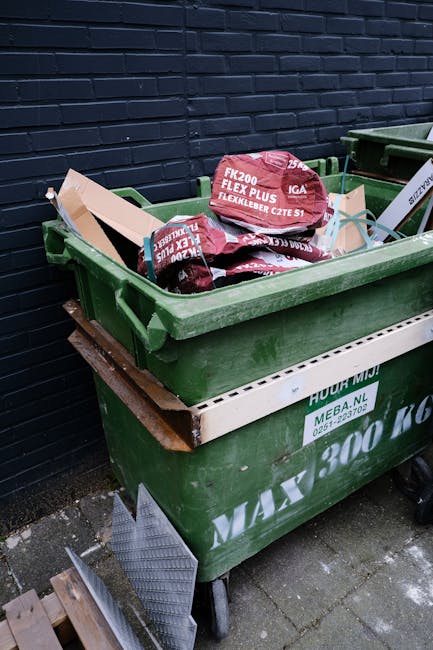
Garden Clearance in Plaistow

Garden clearance in Plaistow is a practical way to bring order back to an overgrown or cluttered outdoor space, with work centred on removing green waste, broken outdoor items and unwanted garden materials. We handle the labour of lifting, sorting and loading so that the area can be cleared for use, maintenance or redesign. The service suits front gardens, rear gardens, shared outdoor spaces and plots that have built up cuttings, old planters, branches or mixed rubbish over time.
Our approach is straightforward: we separate what can be removed for recycling or disposal, manage the heavier lifting, and keep the process focused on the exact items and vegetation that need to go. Garden clearance can support one-off tidy-ups after seasonal growth, wider clear-outs before landscaping, or the removal of debris after pruning and trimming. If you want a quotation, you can start by outlining the space and the material that needs clearing.
In many cases, the most useful first step is simply to identify the main types of waste present. That might include soil, turf, hedge cuttings, tangled roots, timber offcuts, old plant pots, compost bags, fencing pieces or household items that have ended up outdoors. Clear separation helps us plan the work sensibly and avoid unnecessary handling, while still making room for mixed loads where several kinds of garden waste have collected together.
What we clear from gardens
Garden clearance usually covers the removal of a varied mix of organic waste and outdoor clutter rather than a single item type. Our work can include branches, leaves, grass cuttings, weeds, old bedding plants, damaged pots, broken garden furniture and general rubbish gathered in sheds, corners or behind outbuildings. Where access is awkward, we plan the loading method around the layout so the clearance is efficient without disturbing areas that do not need attention.
For customers comparing options, it can help to think about the difference between a light tidy-up and a fuller clearance. A light tidy might involve bags of trimmings and a few unwanted items, while a fuller job can involve stacks of garden debris, unused materials and the contents of neglected areas. If you are arranging work after a long period of growth, mention whether the site includes hidden waste, compacted piles or damp material, as that affects how the job is approached and priced.
Typical garden clearance items can include:
- branches, hedge trimmings and prunings
- lawns cuttings, weeds and leaves
- old compost, soil and turf
- broken planters, pots and trays
- timber, plastic edging and outdoor offcuts
- general rubbish gathered in sheds or corners
Clearance for overgrown and neglected spaces

When a garden has become overgrown, the clearance often needs a little more organisation than a simple waste collection. Dense growth can hide rubble, discarded household items and broken fixtures, so the work usually begins with separating vegetation from non-organic waste. We then remove the identified material in stages, which helps keep the area manageable and makes it easier to leave the space ready for further work afterwards.
Overgrown spaces may also contain thorny cuttings, wet organic waste or compressed piles that are awkward to shift by hand. In those cases, the method matters as much as the volume. We focus on practical removal rather than cosmetic promises, and we do not assume that every plot needs the same treatment. A well-planned clearance can make a neglected area easier to access for mowing, pruning, planting or structural repairs.
Before asking for a quotation, it helps to note whether the garden is open, fenced, terraced or shared, and whether waste is located at the front, rear or along side access. Photographs can be useful, but they are only part of the picture; a short written summary of the material, access and approximate quantity often makes the estimate more accurate. If there are items you want to keep, it is best to mention them clearly so they are not included by mistake.
Useful ways to plan a quote
A clear quotation starts with practical information rather than general descriptions. The most helpful details are the type of waste, how much there is, where it is located and whether anything is especially heavy, tangled or difficult to reach. If bags, piles and loose material are mixed together, say so directly. That kind of detail allows the scope to be understood properly and reduces the chance of surprises when the work begins.
It also helps to say whether the clearance is a simple removal job or part of a bigger garden project. For example, some customers want waste removed before turfing, fencing, planting or patio work, while others only need old outdoor clutter taken away. A useful quotation request should therefore describe both the material and the end goal. Being specific is often more helpful than writing a long explanation of the garden’s history.
If you are comparing services, look at the kind of work that is actually offered and avoid assuming that every clearance includes cutting, pruning or landscaping. Garden clearance is primarily about removal, sorting and disposal of unwanted material. When the scope is clear, the next step is simple: send a short description and ask for a quotation.
Garden waste, mixed waste and responsible handling

Garden clearance often produces a mixed load, especially where outdoor waste has collected gradually. Leaves and branches may sit alongside broken plastic, rusting metal, old compost sacks or items that were never intended for the garden. We keep the work organised by separating obvious green waste from harder, non-organic materials where practical, because that helps support the correct handling route for each type of material.
This is particularly useful when the garden includes old features or abandoned items. Raised beds, timber edging, damaged storage boxes and broken ornaments all create different handling needs. Some materials are more suitable for recycling routes than others, while certain items need cautious removal because of splinters, sharp edges or weight. Rather than treating the job as a single pile to be grabbed in one go, we manage the waste in a way that suits the load in front of us.
When customers want a tidy result, the work is usually easier if the final outcome is described plainly. For example, one job may involve clearing a path through a cluttered border, while another may require a nearly empty plot ready for gardeners or contractors. The more precise the target, the easier it is to match labour and vehicle space to the task. This is why a concise request often works better than a vague instruction such as “clear everything.â€
Working around access, layout and heavier items
Not every garden clearance is simple to reach, and access can make a significant difference to how the work is carried out. Narrow side passages, uneven surfaces, basement steps, shared entrances and awkward rear access all affect how waste is moved from the garden to the loading point. We plan for the layout so that items can be shifted safely and with less disruption to the rest of the property.
Heavier pieces need special attention too. Old timber sleepers, waterlogged bags of soil, broken slabs, large plant containers and compacted green waste are more demanding to move than loose trimmings. A sensible clearance plan takes account of the weight and shape of those items, not just the total amount. Where possible, we break the job into manageable sections so that loading stays orderly and the site is left in a usable condition once the waste has gone.
For those preparing a quote request, two details are especially useful: whether access is at ground level or involves steps, and whether there are items that need two people to lift. Mentioning those points up front helps the quotation reflect the actual work rather than a rough guess. If you would like to move forward, ask for a quotation now and describe the access as clearly as you can.
What happens during a typical clearance
A typical garden clearance follows a simple working pattern. First, the waste is assessed so that obvious green material, reusable items and heavier debris are identified. Next, the loading is organised to make the best use of space and reduce unnecessary handling. Finally, the cleared material is removed, leaving the garden easier to maintain or hand over for the next stage of work. The process is practical and focused on the job in front of us.
If the garden contains a mixture of tidy piles and loose waste, that does not usually create a problem, provided the overall scope is described accurately. Some customers ask for removal after hedge cutting or lawn work, while others need a long-neglected area emptied before it can be assessed properly. A good clearance service can deal with either type of scenario, as long as the material and access conditions are understood before the visit.
It is often worth thinking about the order of work as well as the waste itself. If a border needs pruning before it can be cleared, or if a shed must be emptied before the surrounding area can be removed, say so in your enquiry. That helps us decide whether the job is a simple collection or a broader clearance assignment. The more clearly the task is defined, the easier it is to prepare an accurate response.
Garden areas, outdoor storage and adjoining clutter
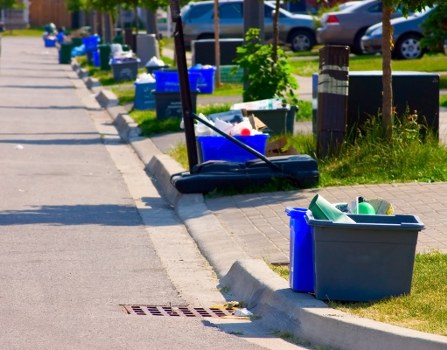
Garden clearance is not limited to open lawns and planting beds. Many jobs also involve adjacent outdoor storage spaces, such as small sheds, side passages, lean-tos or the area behind a garage. These places often become gathering points for broken tools, empty packaging, bags of offcuts and items that were set aside temporarily and then forgotten. We can remove that accumulated material as part of the same organised clearance.
Where the waste includes both garden and household items, it is usually best to describe the whole load together rather than splitting it into separate requests. A clearance might therefore contain plant waste, old storage tubs, broken chairs, dismantled shelving or damp cardboard from an outside area. That kind of mixed load can still be handled sensibly, provided the description is honest and complete. It is better to name the mixed contents than to leave out the items that are taking up most of the space.
The aim is not only to take away debris, but to make the outdoor area more workable afterwards. If you need a space cleared before repairs, replanting or general tidying, say that when you request a quotation. We can then match the work to the intended outcome rather than treating every garden as though it requires the same level of labour.
About Plaistow
Plaistow is an area in East London within the London Borough of Newham, historically part of Essex before the expansion of metropolitan London reshaped the map of the capital. The locality grew from a village and later became more closely tied to neighbouring Stratford, Upton Park and Canning Town as railways, industry and housing development transformed the surrounding districts in the nineteenth and twentieth centuries. Today it is known for a dense urban character, with long residential streets, local shopping routes and a mixture of older terraced housing and newer development. The district sits in a part of London that has been repeatedly altered by transport, migration and redevelopment, yet traces of its earlier identity remain in street patterns and place names. Plaistow Park offers a sizeable public open space, while nearby routes connect the area to the wider borough. The neighbourhood also lies within reach of larger landmarks and commercial centres to the west and south, but it retains its own local centres and everyday rhythm. As with many parts of east London, its history is visible in layers rather than in a single preserved district: older housing stands alongside post-war rebuilding, and the area’s present-day life reflects both continuity and change.
Choosing the right scope for the job
Some customers only need a small clear-out, while others are dealing with a garden that has been neglected for much longer. The right scope depends on what is actually present: cuttings, soil, timber, old furniture, fencing fragments or general rubbish all affect the amount of labour involved. We focus on the visible load and the practical conditions around it, so the work can be quoted on sensible terms rather than on guesswork.
It is also worth considering whether the job is purely removal or part of a wider outdoor improvement. A garden that is being prepared for replanting may need waste cleared in a different way from a space being emptied for new paving or structural work. Where there are multiple priorities, the quotation should reflect them clearly. That keeps expectations realistic and helps the clearance fit the next stage of your plans.
If the job includes different categories of material, list them in plain language. For example, say whether there are piles of branches, bags of leaves, old pots, soil, timber or other items. A concise list is enough; you do not need to create a full inventory. What matters is that the scope is honest and easy to understand. Clear information leads to clearer pricing, which is usually the best starting point for any garden clearance request.
Recycling, disposal and practical finishing touches

Once the waste has been removed, the remaining question is how the material should be handled. Different garden waste streams suit different disposal routes, and mixed loads can contain items that require separation before onward processing. That is why it helps to organise the removal carefully rather than treating every garden clearance as a single generic task. Good handling supports a tidier finish and a more orderly outcome for the material taken away.
There are also practical finishing touches that matter to customers. For example, some people want the space left as open as possible so they can inspect the ground, while others simply want the obvious clutter removed so they can continue with their own plans. Because those aims differ, the end result should be described in advance. Whether you need a lighter tidy or a fuller emptying, the quotation should match the level of clearance you actually want.
To get started, send a brief description of the garden and the items you want removed, then ask for a quotation. If you have photographs, include them with the message; if not, a careful written summary can still be enough to assess the job. The most useful requests are clear, specific and focused on the waste itself, so that the next step can be arranged without unnecessary delay.